Geospatial Augmented Reality: Unleashing the Power of Location-Based AR
How precise location data plus AR creates a new class of experiences, from city navigation to public-safety tools and beyond.
Augmented reality stops feeling like a gimmick the moment it knows where you are. Geospatial Augmented Reality, AR fused with precise location data, is the version of the technology that finally delivers on the promise: digital content that shows up in the right place, at the right time, for the right person.
This article unpacks what geospatial AR is, where it's already working, and how it's likely to reshape entire industries over the next few years.
What Is Geospatial Augmented Reality?
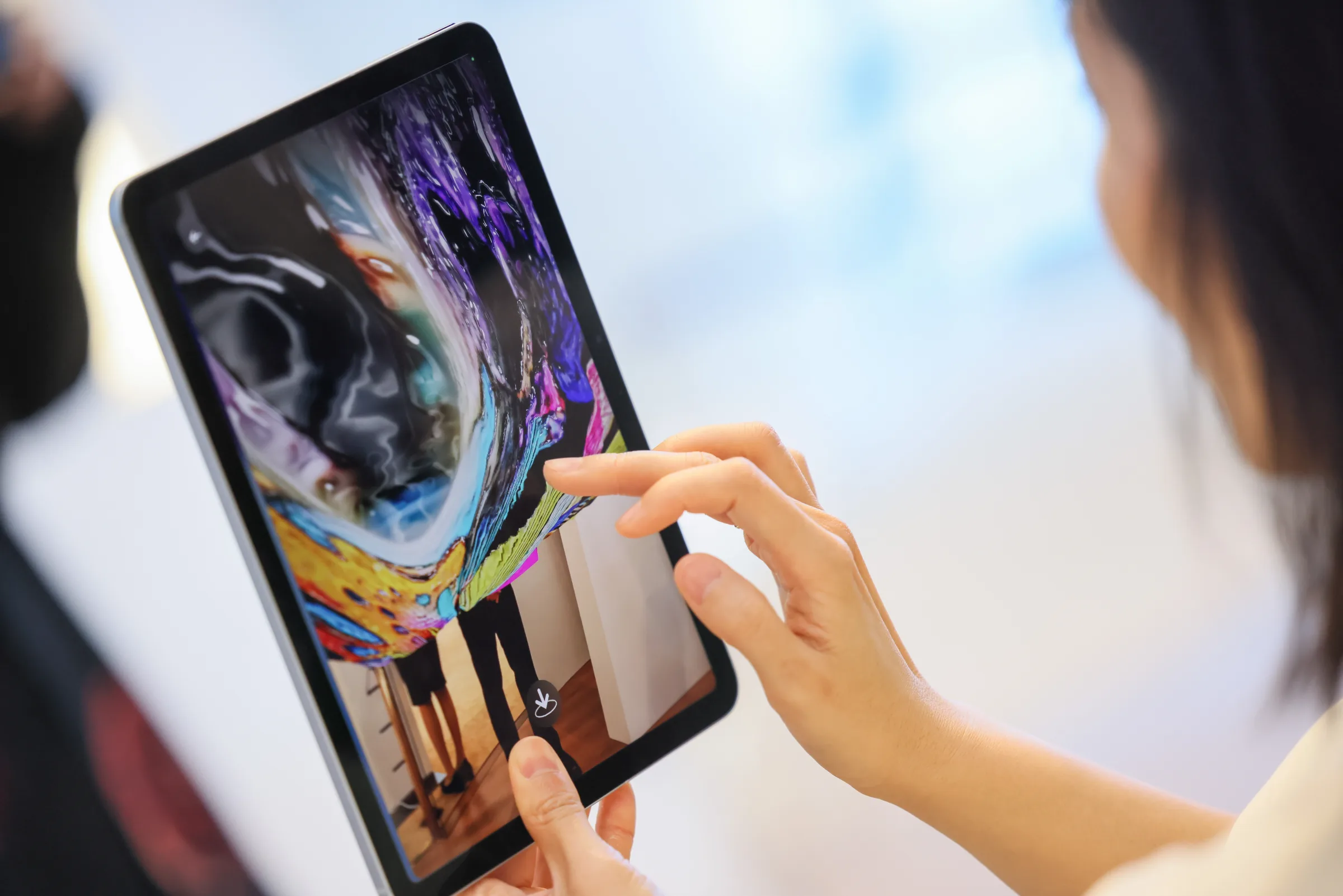
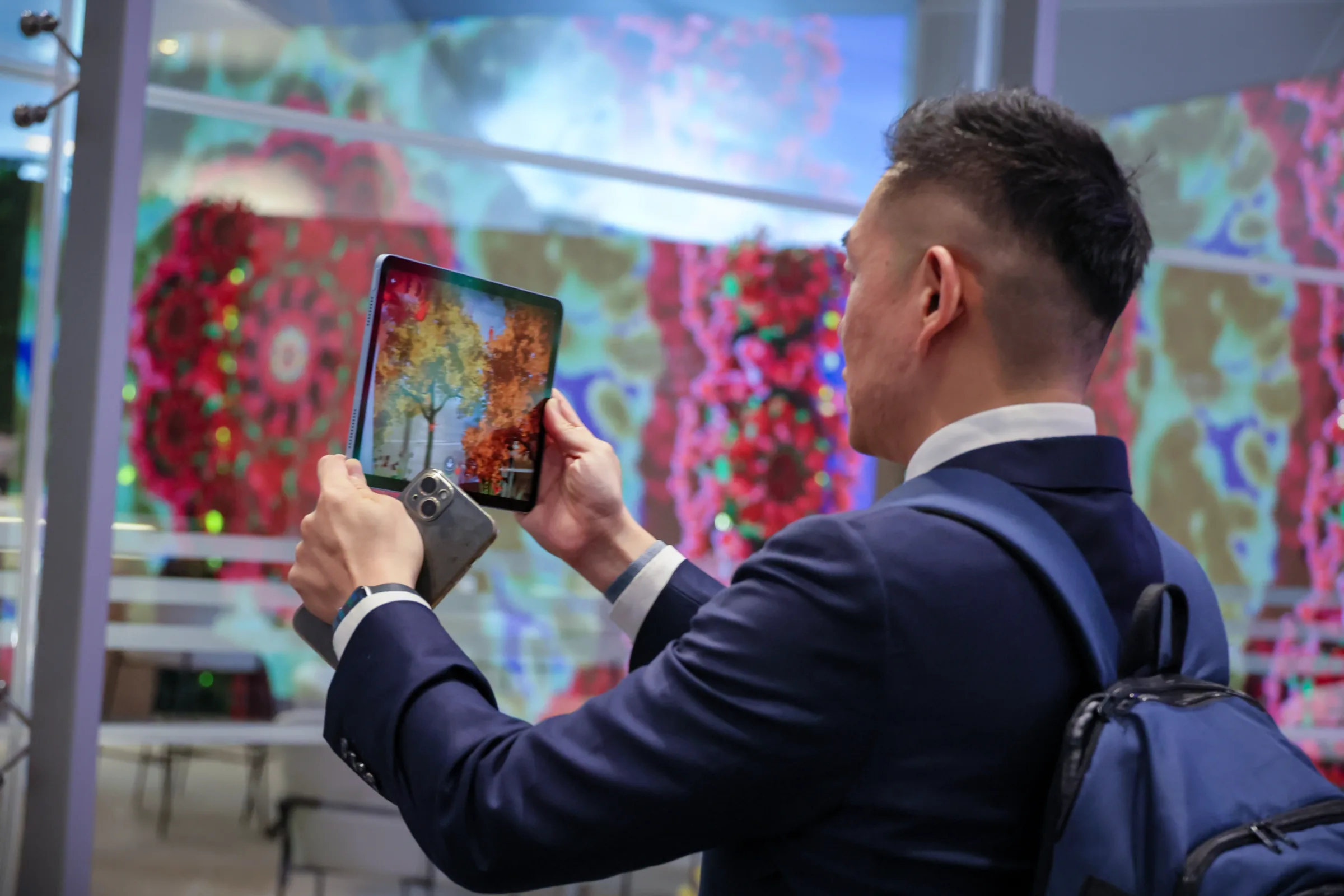
Geospatial AR combines AR rendering with high-precision location data, GPS, visual positioning systems (VPS), LiDAR maps and motion sensors. The result is digital content anchored to real-world coordinates, accurate to centimeters in many cases. A virtual sculpture stays where you placed it on a city square. A navigation arrow stays glued to the actual road. An information overlay stays attached to the actual building.
Where Geospatial AR Is Already Useful
- Navigation and wayfinding, virtual arrows and labels guide you through a city, an airport or a campus. No more squinting at a 2D map.
- Education and training, visualize historical events on the actual site, or overlay anatomical models in field training.
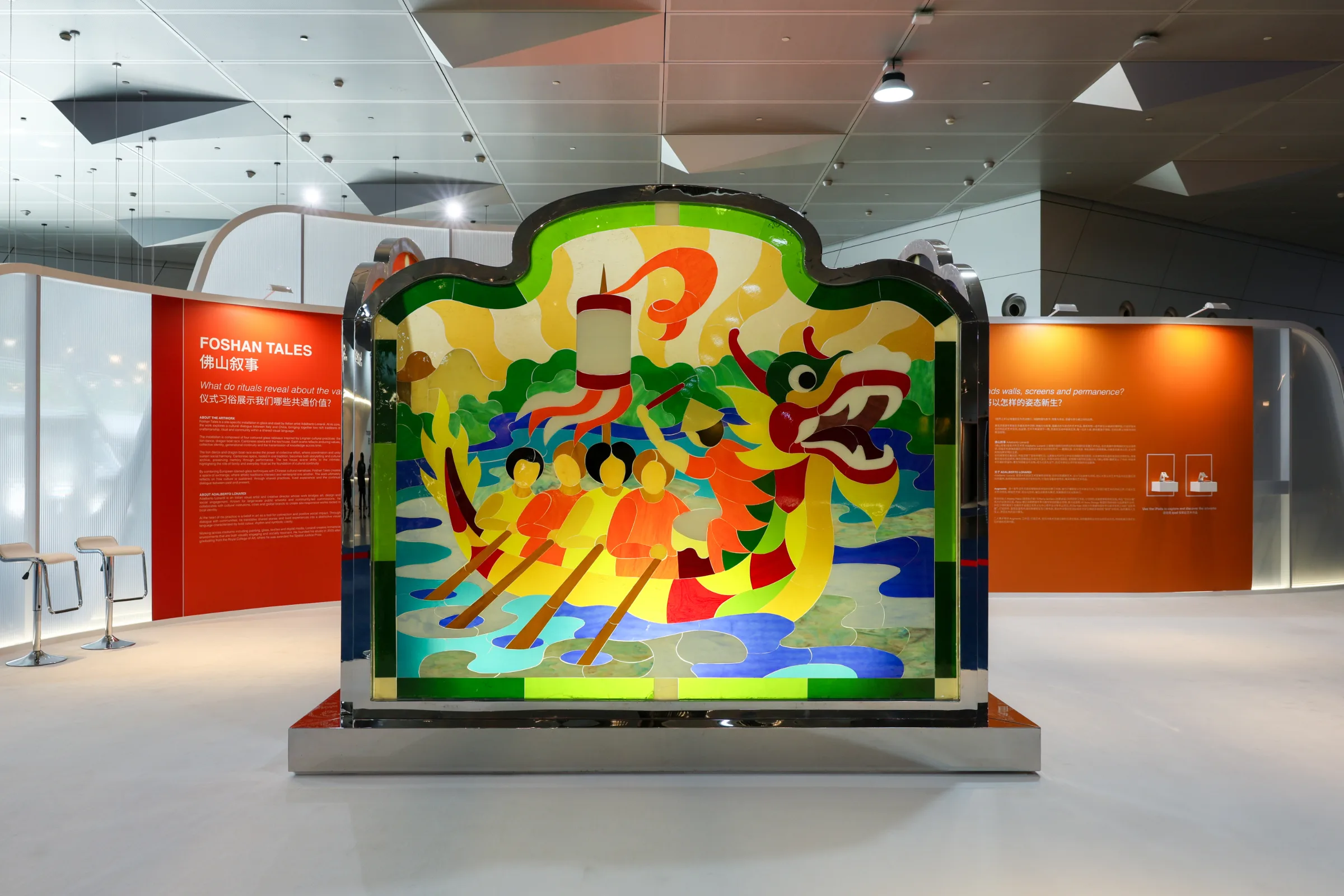
- Gaming and entertainment, location-anchored multiplayer games, alternate-reality experiences, festival-grade story layers (we did exactly this at Worlds Away Festival).
- Retail and hospitality, interactive in-store product information, virtual menus, location-aware promotions.
- Public safety, real-time information overlays for firefighters, paramedics and law enforcement in the field.
The Future of Geospatial AR
Geospatial AR is moving fast on four fronts at once. Each on its own would be meaningful, together, they're transformative.
1. Enhanced Location Tracking
- Ultra-precise positioning, VPS and improved GNSS will push accuracy from meters to centimeters, indoors and out.
- Contextual awareness, devices won't just know where you are, but what you're standing in front of and who else is there.
2. Richer Geospatial Data
- Comprehensive mapping, detailed indoor maps for malls, museums and airports, not just streets.
- Dynamic data integration, real-time traffic, weather, social and event data feeding the AR layer continuously.
3. More Powerful AR Devices
- Better wearability, lighter, more ergonomic glasses (see our AR glasses primer).
- On-device intelligence, silicon designed for AR workloads, so rendering and tracking stay fluid even in dense scenes.
4. Widespread Adoption Across Sectors
- Business and marketing, geospatially-targeted brand experiences and personalized promotions. We covered the broader shift in AR's impact on marketing strategies.
- Urban planning, citizens and planners visualizing future projects directly on the sites where they'll be built.
- Education, interactive, geographically-anchored learning experiences inside and outside the classroom.
How to Start Thinking About Geospatial AR for Your Business
If you operate a venue, a route, or a brand that lives in physical space, geospatial AR is a natural extension of what you already do. The right starting point is usually a single high-traffic location and one well-scoped experience, not a citywide rollout. We've put together a more practical breakdown in our companion piece: How You Can Leverage Geospatial AR Technology.
Conclusion
Geospatial AR isn't an upgrade, it's a re-foundation. Once digital content is anchored to real coordinates, the world itself becomes the canvas, the interface and the storytelling medium. The brands and cities that act first will have a meaningful head start.
If you're considering a geospatial AR project, talk to our team. We've shipped this kind of work for festivals, cultural institutions and brand activations across multiple continents.